Get in touch with Suzhou Simitch Machinery Co., Ltd Company

Sheet Metal Joining Equipment Manufacturer for Clinching, Riveting and Press-Fit Assembly
Five joining processes, five equipment families, one engineering team that starts with your joint — not with a catalog page.
SYS-01
SYS-02
SYS-03
What SIMITCH Supplies
Equipment families
5Published force span
10–1,030 kNServo repeat positioning
0.01 mmServo pressure accuracy
±2%Servo machine life (cycles)
≥6,000,000Manufacturing since
2006Five Joining Processes, One Route — Match the Joint Before the Machine
A sheet metal joining equipment manufacturer earns its quote at the joint, not at the press.
Higher static strength does not mean longer service life, and that single fact reorders most equipment shortlists. Mechanical joints routinely outlast welded ones under cyclic load even when they lose the pull test.
TECHNICAL INSIGHT: The counter-intuitive part
Aluminum sheets joined by self-piercing riveting have shown roughly twice the fatigue life of spot-welded equivalents, and aluminum spot welds have shown 25–100% lower fatigue life than self-piercing rivets — while spot welds still win the static lap-shear test.
Clinching, self-piercing riveting, blind riveting, press riveting and heat staking are five different answers to five different joint conditions. Choosing between them from a product page is guesswork.
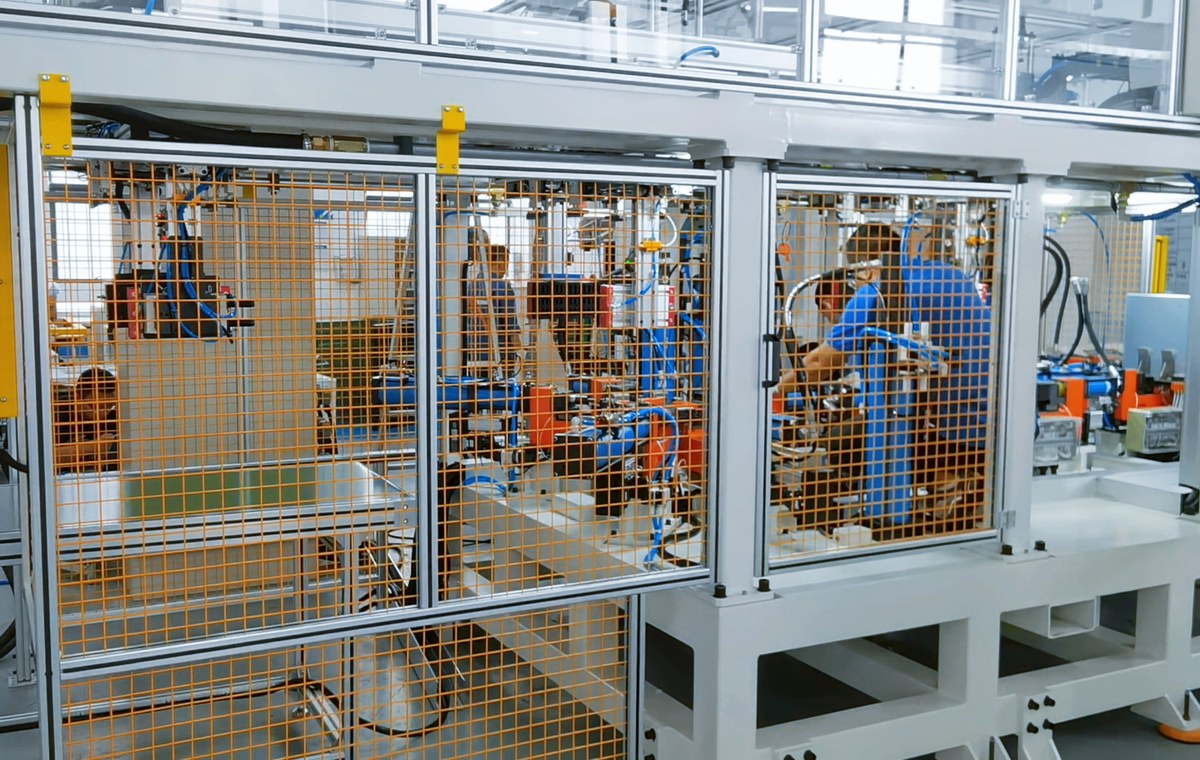
None of this is new
“Cold-formed sheet joining is not a recent innovation — the first patent was granted in 1897, and the process only became routine equipment in the 1970s when carmakers went looking for something faster than fasteners.”
The Joining Route Matrix
This is the routing table our application engineers work from. It sorts by joint condition first and equipment second.
| Joint condition | Indicated process | Why | SIMITCH family |
|---|---|---|---|
| Two to four ductile layers, both sides reachable, no added part wanted | Clinching | No consumable, no heat, coating survives the stroke | clinching machines and equipment |
| Aluminum to steel, or a stack that will not cold-form cleanly | Self-piercing riveting | Using self-piercing rivets, the fastener pierces the top layer and flares in the bottom | our SPR machine options |
| Only one side of the joint is reachable | Blind riveting | Pre-drilled hole, single-side access, mandrel pulled from the front | riveting equipment |
| A threaded or functional element has to end up in the sheet | Press riveting (SPAC) | Knurl of the element cold-flows into the sheet under controlled force | servo press systems |
| A thermoplastic part has to retain or locate a mating component | Heat staking | A plastic boss is heated and re-formed over the mating part | hot-melt connection equipment |
Two different things are called clinching — fix the term before you send an inquiry
Joining sheet metal without welding covers two different operations, and fabricators use one word for both. Clinching sheet metal joins the metal sheets to each other; self clinching presses a separate element into one sheet. That mismatch routes inquiries to the wrong supplier every week.
Sheet metal clinching (rivetless joining)
- A punch and die deform the stacked metal sheets into a sheet metal interlocking joint
- No rivet, no screw, no additional fasteners — the joint is made without rivets
- Supplied as a hand clinching tool, a bench or floor press, or an automatic station
- Equipment route: a sheet metal clinching machine sized to the stack and the access envelope
Self clinching (element insertion, SPAC)
- A nut, stud or standoff is set into a pre-punched hole by applying pressure
- Knurling on the element cold-flows into the sheet, holding it securely and permanently
- Needs a controlled-force press, not a clinching die set
- Equipment route: a self clinching machine, which in our range is a servo press
Both belong to the same family of joining technology, and both run on our floor. Getting the word right at inquiry stage saves two weeks, because material joining by forming and element insertion need different tooling, different force curves and different acceptance tests.
Why the rivetless route keeps taking ground
Conventional fastening adds steps, costs, and failure points. Forming the joint from the parent material eliminates all three.
01
No consumable stream
Removing the need for rivets removes a purchasing line, a feeder and a jam mode.
02
Coating survives
Galvanized and painted stock keeps its protective layer, so corrosion behavior is not designed into the joint.
03
Permanent mechanical interlock
Joining metal by cold forming holds under vibration with no fastener that can back out.
04
Wide material list
Mild steel, stainless steel, aluminum, copper and brass are all candidates wherever ductility allows.
Three boundaries worth knowing before you specify
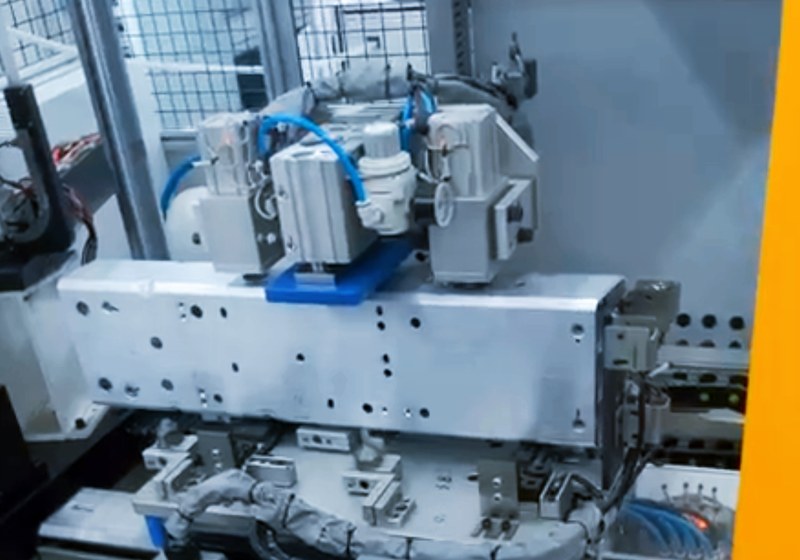
01 / Material
Conventional clinching of steel sits inside a published window: tensile strength below 800 N/mm² and elongation at fracture above 14%. Trade practice often quotes 10% elongation. We plan against the stricter figure and prove the rest on your stack.[1]
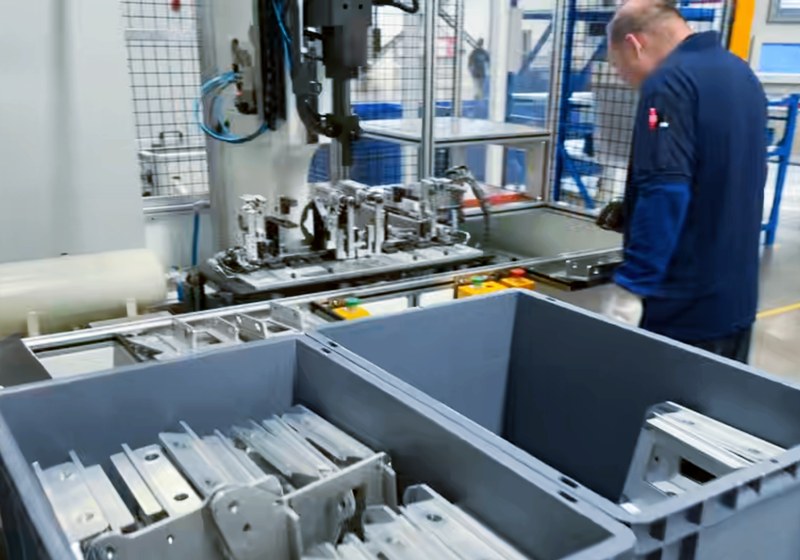
02 / Load direction
Catalog joint strength is a lap-shear number. In thin-walled assemblies the joints are not always positioned to carry the largest shear load, so peel and cross-tension often decide the part.[6]
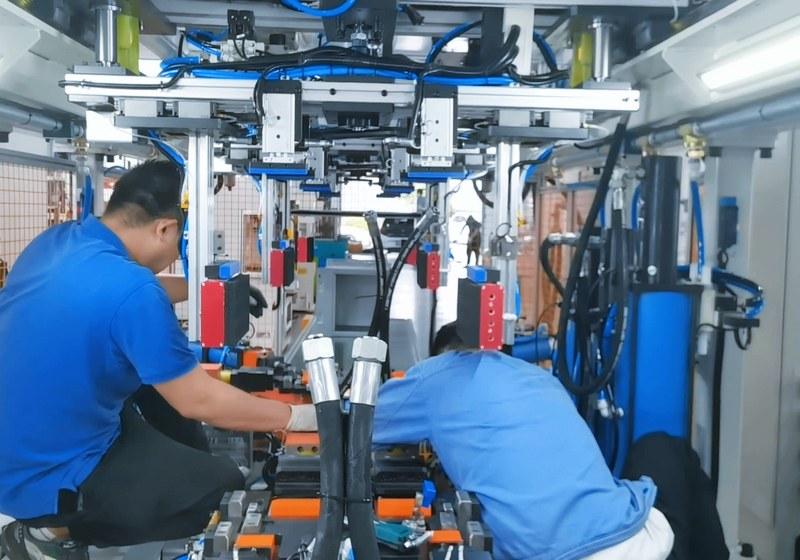
03 / Sealing
Square clinching involves cutting the sheet, which changes fatigue behavior and removes water-tightness. Round clinching keeps the sheet uncut. This distinction decides duct and enclosure work.[1]
Evidence boundary
High-strength steels outside that window can still be joined by forming, but only with modified process routes such as localized heating — an approach documented in granted patent claims rather than in general practice.[3] Treat any route outside the published window as a trial, not a specification.
Not sure which of the five your part needs?
Work through the equipment path selector to definitively match the joint before the machine.
Open Equipment Path SelectorSIMITCH Equipment Families — Five Product Lines, One Engineering Team
SIMITCH operates as a clinching machine manufacturer, a riveting machine manufacturer and a servo press manufacturer under one roof. Each family below is a buying route, not a catalog shelf. Model-level parameters and dimensioned data stay on the family pages, so nothing here has to be read out of context.
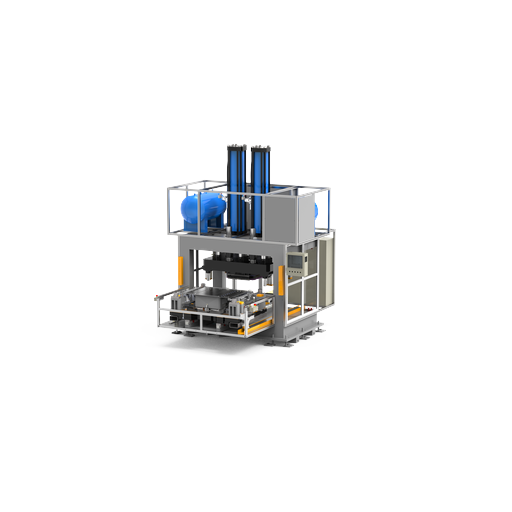
Clinching Machines & Equipment
For: Process Engineer
Procurement
- Portable tools, pneumatic or servo presses, application-built systems
- No rivet, no screw, no welding heat — the sheets themselves form the interlock
- Coated, galvanized and painted stock stays intact through the stroke
- Punch-and-die clinching tools sized to the stack, supplied with the machine
- Every clinching machine for sheet metal here is configured from the joint outward
- Three equipment routes · punch-and-die tooling
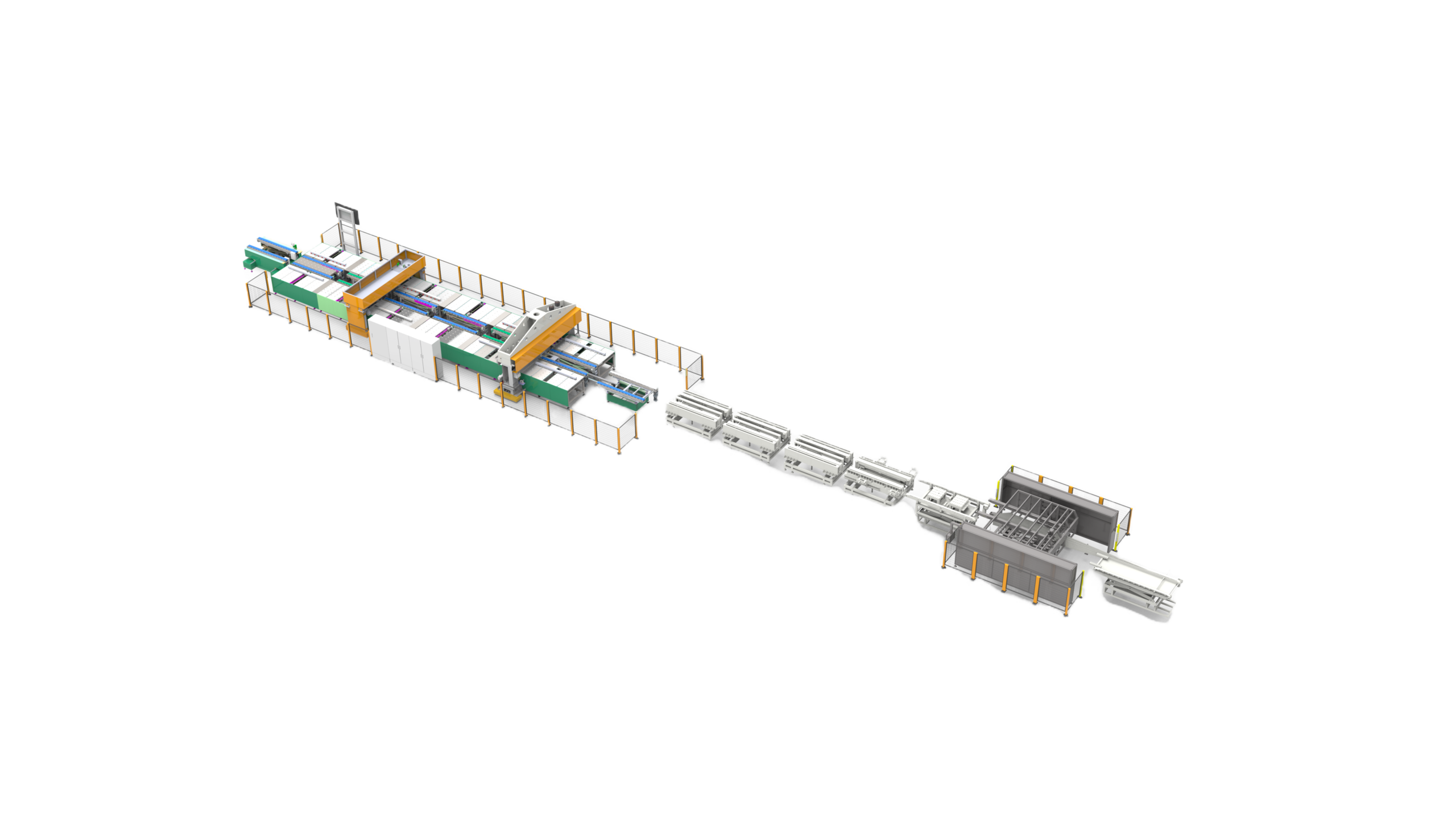
Riveting Equipment
For: Process Engineer
Plant Manager
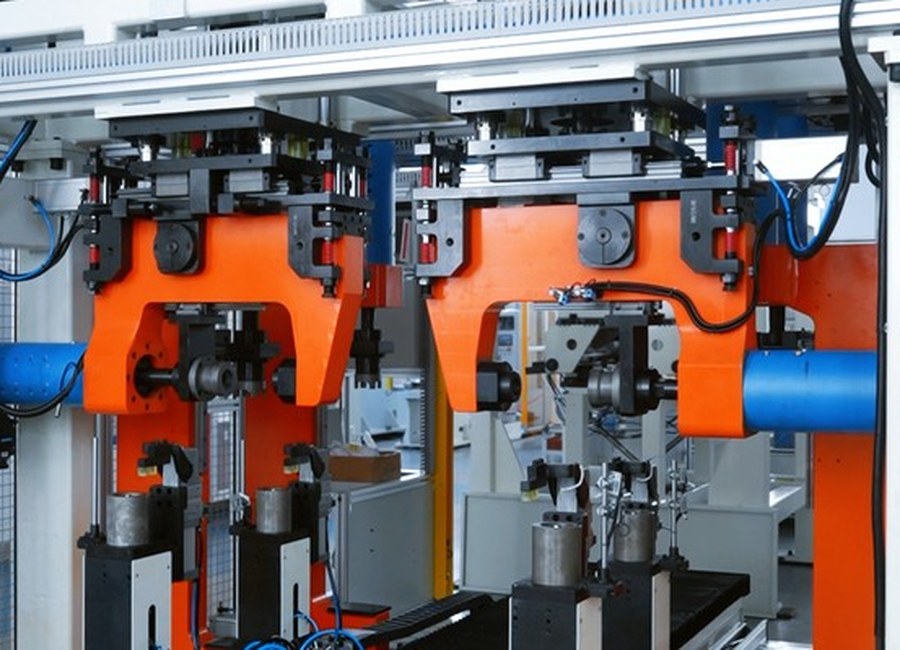
- Self-piercing riveting machines, servo riveting systems, application lines
- Force, stroke, speed and position recorded per joint where specified
- Robot-compatible guns and fixed-frame mounting
- An industrial rivet machine, a riveting press machine or a fully automatic riveting machine is quoted with its feed, fixture and inspection scope
- SPR 50 or 75 kN (pneumatic-hydraulic) · servo unit 80 kN
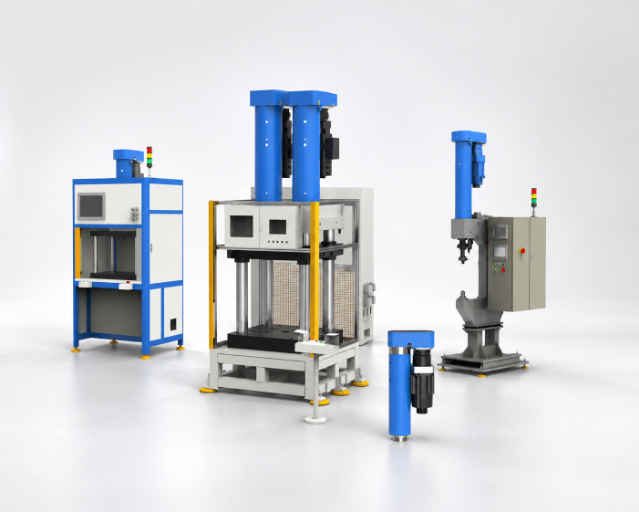
Servo Press Systems
For: Process Engineer
Quality
- Electric servo press and press fitting machine configurations with force-displacement monitoring
- Battery pack and electronics assembly builds
- Data traceability and line integration written into the specification
- BP series rated 10–200 kN
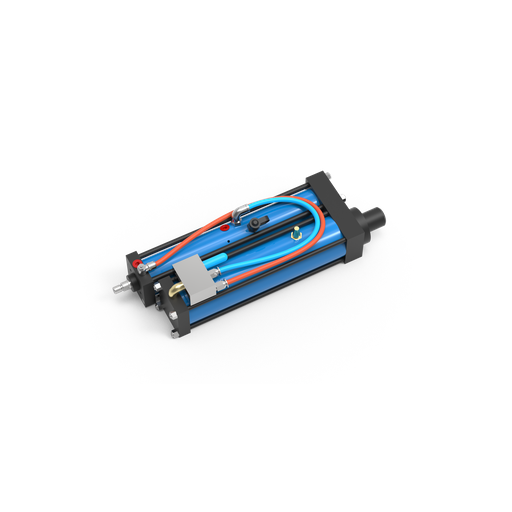
Pneumohydraulic Drive Cylinders
For: Process Engineer
Maintenance
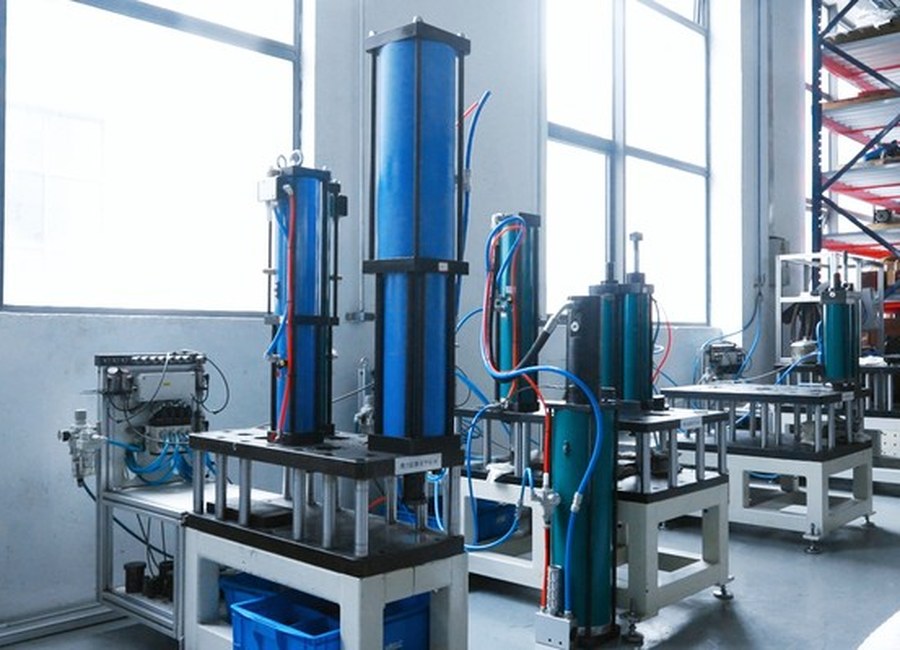
- Integrated BS and BT booster cylinders; split-type AT and HZ systems
- Shop air in, hydraulic force out, no separate power unit to plumb
- The drive layer under most clinching and press-riveting stations, and the core of any hydro pneumatic press or pneumatic hydraulic press we build
- BS/BT 11–970 kN · AT/HZ 13–1,030 kN across 15 models
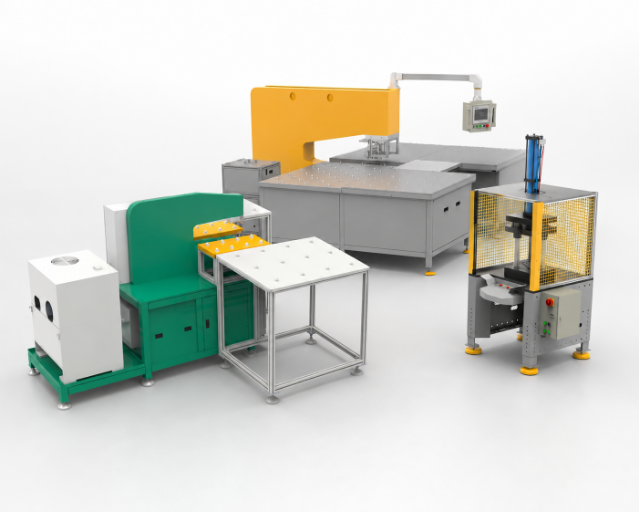
Hot-Melt Connection Equipment
For: Process Engineer
- Heat staking machines for thermoplastic assemblies with a metal or plastic insert to retain
- A plastic boss is heated and re-formed over the mating part, locking it without a screw
- Molds and staking tooling supplied inside the equipment scope
- Joint-led: the mold is configured around the part, not the reverse
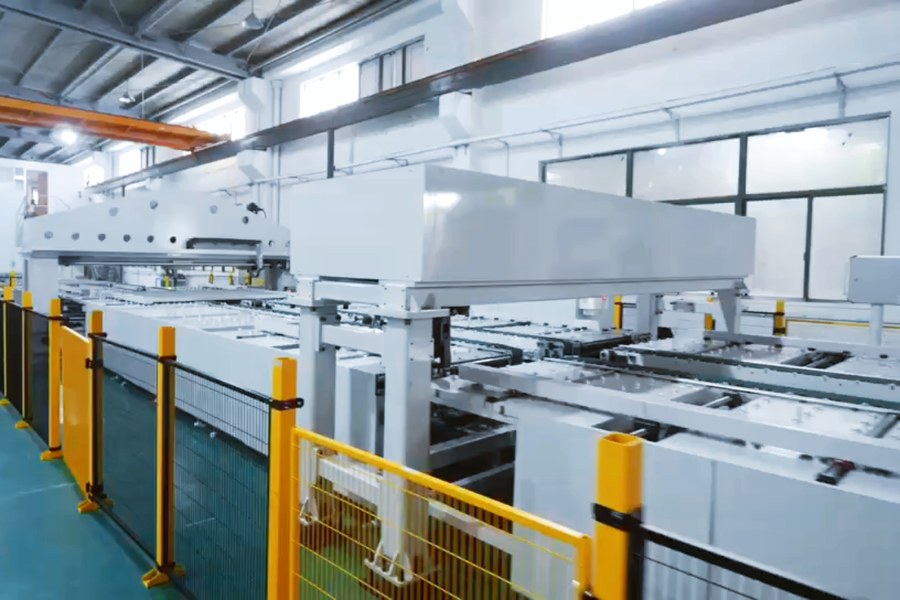
Application-Built Systems
For: Plant Manager
Procurement
- Fixtures, robot cells, station controls, inspection and handover as one scope
- Elevator car-bottom, busbar and rail-transit assembly among the delivered types
- Quoted from a layout and a takt figure, never from a press rating alone
- Servo riveting: 200 mm stroke · 0–333 mm/s · feed 2×35 rivets
Published Force and Stroke Data, Bound to Named Architectures
Buyers ask a fair question about Chinese equipment suppliers: are these numbers stitched together from different machines? Here is every force figure SIMITCH publishes, each one tied to the family it belongs to.
DATA SYNC
The SIMITCH Force Envelope
| Equipment family | Published force | Published stroke / accuracy | Source page |
|---|---|---|---|
| Split-type pneumohydraulic cylinders, AT and HZ (15 models) | 13–1,030 kN | Model-specific dimensions | AT and HZ split-type force table |
| Hydro pneumatic booster cylinders, BS and BT | 11–970 kN | Output force, stroke and mounting by model | BS and BT booster range |
| BP-series precision assembly servo press | 10–200 kN | Force-displacement monitoring, data traceability | BP series models |
| Servo riveting assembly system | 80 kN | 200 mm effective stroke, 0–333 mm/s, ±2% pressure, 0.01 mm repeat positioning | servo riveting systems |
| Self-piercing riveting machines | 50 or 75 kN (pneumatic-hydraulic); 5 or 8 t drive (CNC servo) | 100 or 200 mm stroke, stated 3 s cycle | SPR machine configurations |
Where the industry range sits, for context
| Parameter | Published value | What it constrains |
|---|---|---|
| Individual sheet thickness | 0.1–3 mm | Whether the stack is clinchable at all[7] |
| Total stack, two to four layers | 0.2–13 mm; works best at 1–4 mm | Tool selection and required force[7] |
| Press force in service | up to 350 kN (40 tons) | Drive sizing[7] |
| Punch and die diameter | 1.5–12 mm, matched pair | Button size and alignment[7] |
| Punch and die life | typically over 250,000 joints | Consumable budget[7] |
| Joint button geometry | 1–3 mm high, 1.5–26 mm diameter | Cosmetic and flange design[7] |
| Recommended joint overlap | about 10 mm in the joining area | Flange width on the part drawing[7] |
| Clinch joint strength vs comparable spot weld | about 80% | Whether clinching is admissible for the load case[8] |
Do not combine these rows
Each figure belongs to the named architecture on its own row. There is no SIMITCH machine that is simultaneously a 1,030 kN cylinder and a 0.01 mm servo unit. We say this because our own earlier English site once carried a “2 to 2,000 kN” range that matches a competitor’s published drive-package span rather than our model data — exactly the habit buyers are right to distrust.
Force is also the wrong first question more often than buyers expect. The peer-reviewed literature lists high forming force as a disadvantage of clinching, which is precisely why a pneumohydraulic or servo drive layer sits under most stations rather than being an upgrade option.[1] Thick load-bearing steel work has its own granted-patent literature for the same reason.[4]
Energy sits in the drive layer, not in the brochure
Pneumatics do the first half of the job here: a booster cylinder draws shop air and converts it to hydraulic force only during the working stroke, so standby consumption stays near zero. Servo units hold position under closed-loop control, which ties energy consumption to work done rather than to hours powered. Both are low energy next to a hydraulic power unit that runs all shift, and both are more efficient to meter because the controller already logs every stroke.
“We do not quote a press until we know the stack, the joint locations, the load direction and the evidence the buyer will use to accept production. A force number without those four is a guess wearing a unit.”
What per-joint monitoring is actually for
Force-displacement records earn their cost on the day something upstream changes. In one published automotive case the sensors flagged rising force on an aluminum hood line; stack height checked out, and the incoming aluminum was of a different composition than the batch originally qualified.[7]
Isolated parts were re-tested and released instead of scrapped.
That is the honest trade-off for the instrumentation: it costs money on every good part and saves a batch on the bad day.
Have your own force target already? Compare your joint against the force envelope →Industries SIMITCH Equipment Runs In Automotive, Energy Storage, Solar PV & More
SYS.01 // CORE DRIVER
Lightweighting is what pulls mechanical joining into the automotive industry. US Department of Energy figures put the payoff plainly: a 10% reduction in vehicle weight yields a 6–8% fuel economy improvement, and substituting advanced materials can cut body and chassis weight by up to 50%.[5] Those substitutions produce aluminum-to-steel stacks that resistance spot welding cannot join.
SYS.02 // MARKET TREND
Why the pull keeps widening
That single materials trend is why cold-formed joining keeps spreading out of car plants into the other industrial applications on this list. A versatile drive layer with the right die is simply suitable for more of the stack mix arriving on the floor each year.
SYS.03 // ADOPTION
Trade coverage describes clinching as increasingly common in fabrication shops, and the reason is rarely ideology. As industries move towards mixed-materials, cold-formed mechanical joining provides the structural integrity required without thermal distortion.
// Automotive components
Mixed-material body and chassis parts, longitudinal beam connecting plates, functional element insertion.
// Energy storage battery
Busbar assembly and pack build where force-displacement records are part of the quality file.
// Solar photovoltaic
Frame and mounting assemblies in coated stock, joined without burning the coating.
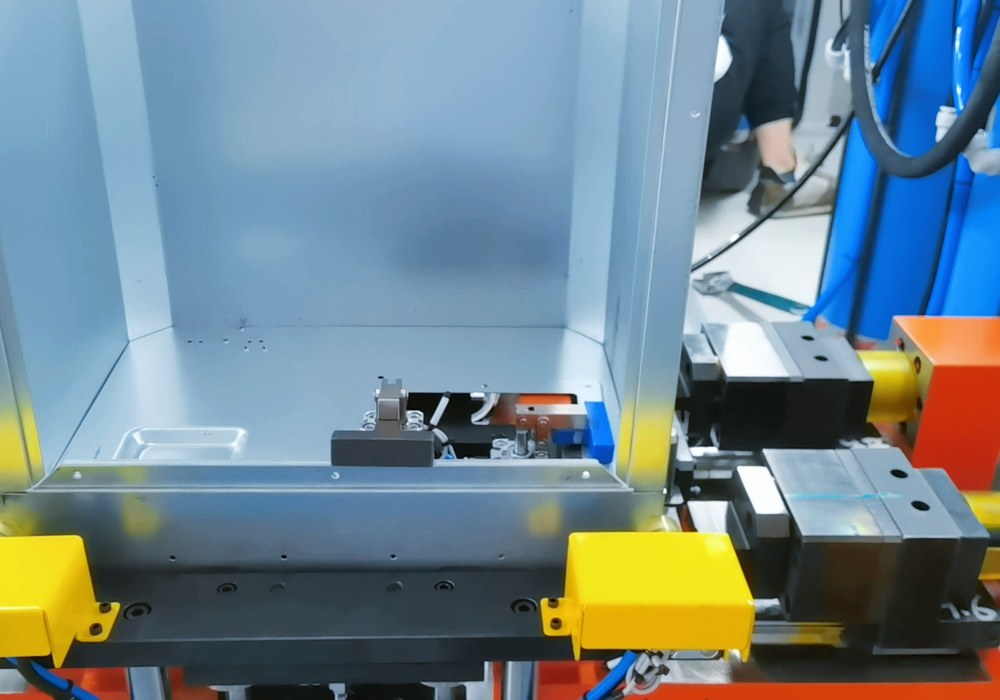
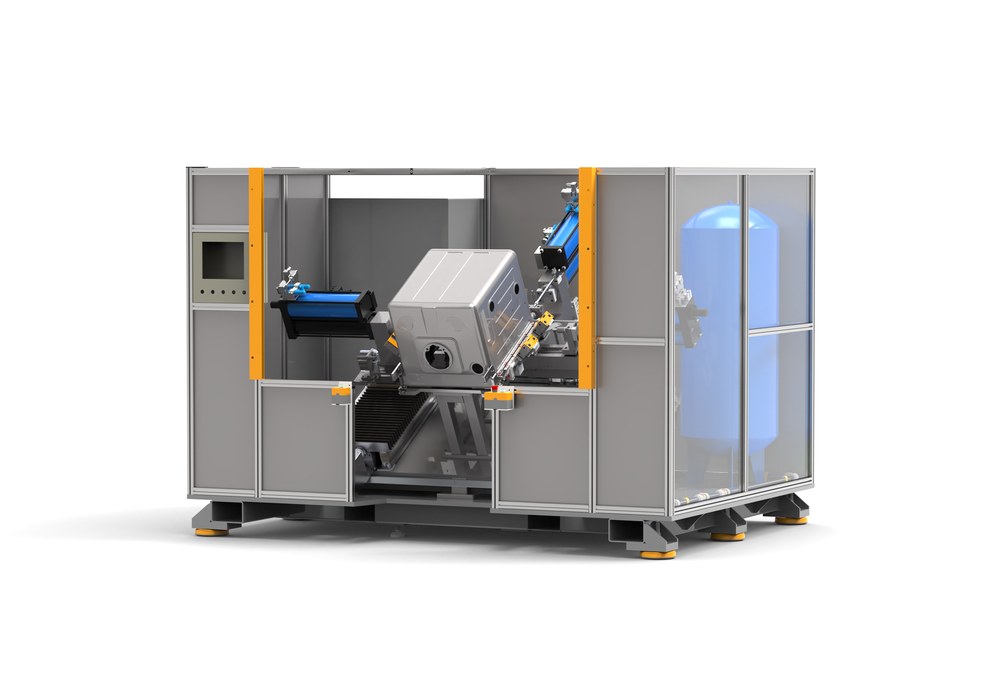
// Home appliance
Panel, tub and back-panel assembly at line takt, with model changeover designed in.
// HVAC & ventilation
Galvanized duct and damper work, where round clinching keeps the joint uncut.
// Elevator & rail transit
Car-bottom and structural riveting lines with station controls and inspection in scope.
TECH.INSIGHT // 01
Why galvanized stock changes the argument
Research published in 2025 found that the galvanized layer significantly reduces the fatigue life of spot-welded joints.[9] Cold-formed joints do not melt the coating, which is why duct, appliance and PV frame work keeps moving toward clinching and riveting.
PERFORMANCE // 02
A delivered line, described as the client described it
SIMITCH engineered a fully automated assembly and riveting line for air-conditioner back-panel components at Gree Electric: robotic loading with machine-vision alignment, multi-unit synchronous riveting, modular tooling that changes model in under five minutes, and MES synchronization giving a digital record for every joint.
−0%
headcount replaced
headcount replaced
×0
efficiency boost
efficiency boost
<0 min
model changeover
model changeover
0%
digital joint record
digital joint record
How to read those four numbers
They are results reported by the client for one line, not a SIMITCH performance promise and not a figure that transfers to your part. Ask us for the layout and takt assumptions behind them before you put anything similar into your own business case.
Certifications, Standards and the Boundary of What They Cover
Buyers evaluating an unfamiliar Asian supplier tend to ask for certificates first. Certificates are worth asking for. They also cover less than most procurement files assume, so here is the honest split.
What SIMITCH states
- ISO 9001:2015 quality management and CE conformity for export equipment
- Trademarks, multiple patents, and in-house production of key equipment and core parts
- Continuous manufacture of sheet-metal connection machinery since 2006
What those statements do not cover
- Whether the process suits your stack — that needs a sample joint
- Point-of-operation guarding at your installation site
- Local electrical, pressure and robot-cell rules at the destination
Regulatory Frameworks
Machinery risk assessment sits under ISO 12100, industrial robot cells under ISO 10218-2, and joining-by-forming processes are classified and defined in DIN 8593-5. In the United States, point-of-operation guarding on machines including riveting machines falls under OSHA 29 CFR 1910.212(a)(1), which requires that one or more methods of machine guarding be provided to protect the operator and other employees from hazards such as those created by point of operation, ingoing nip points, rotating parts, flying chips and sparks.[10]
Responsibility boundary
SIMITCH defines machine and cell interfaces inside the supplied scope. The buyer, the integrator and the site safety team confirm the current regulation and the final risk mitigation at the point of installation. Any supplier who tells you otherwise is selling you a liability, not a machine.
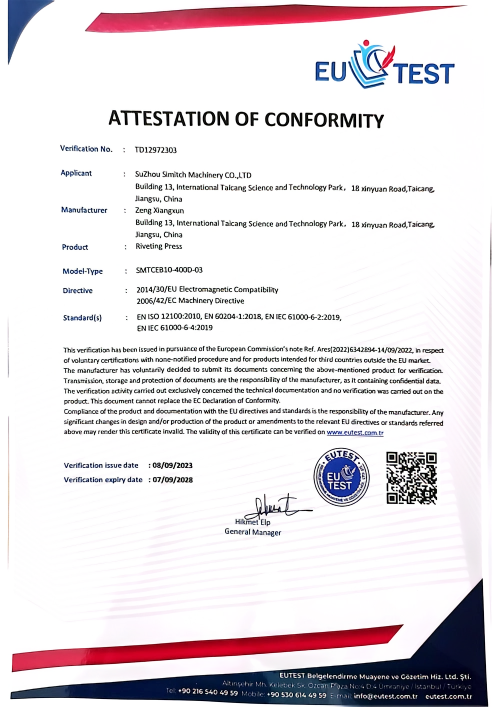
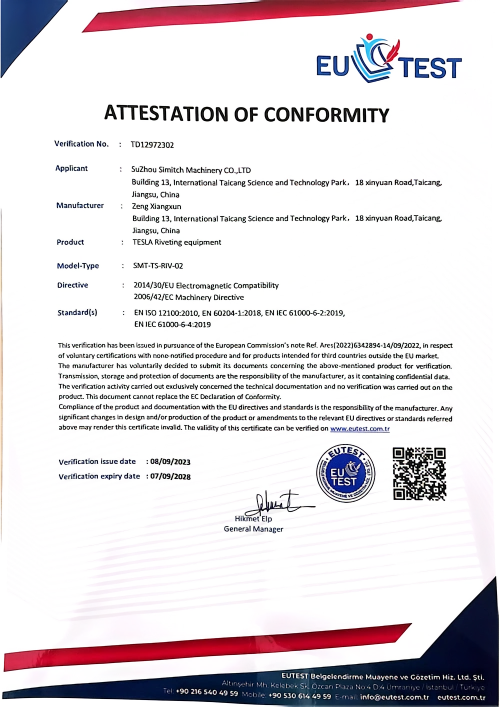
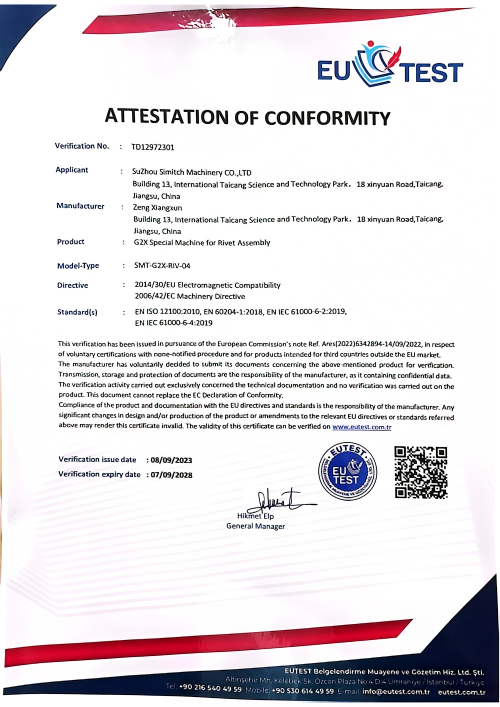
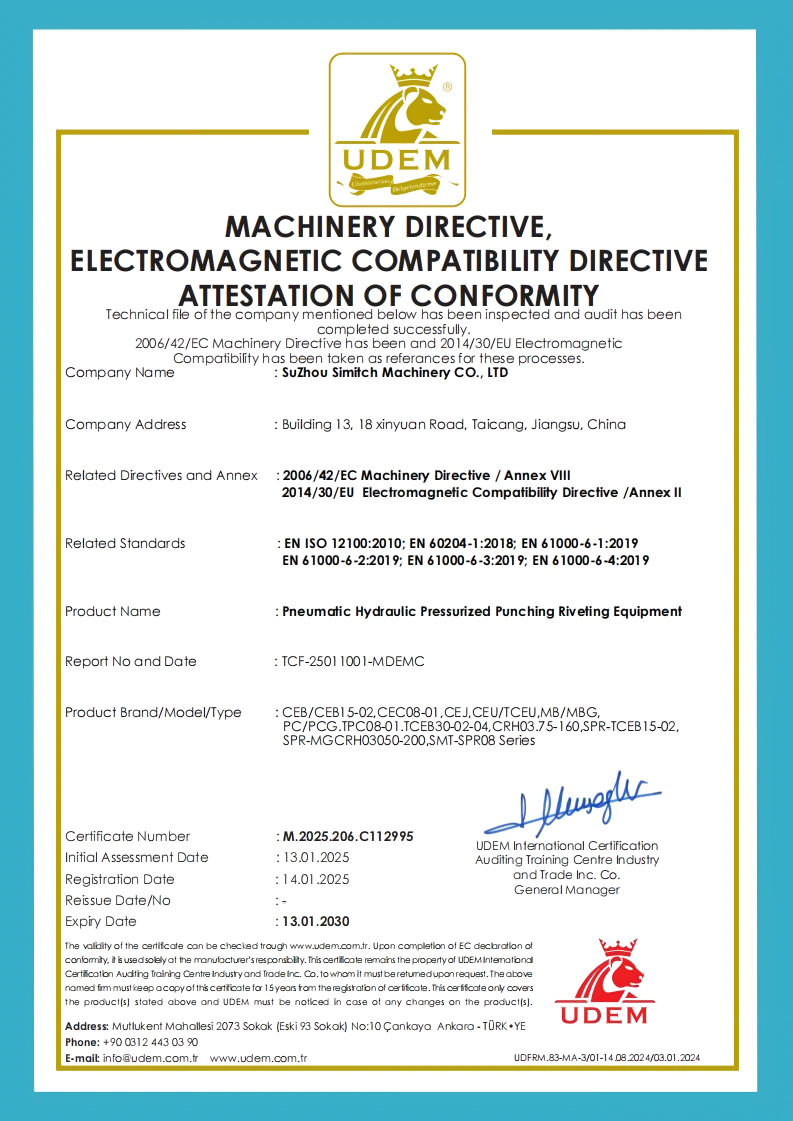
Advanced Manufacturing & Intelligent Production
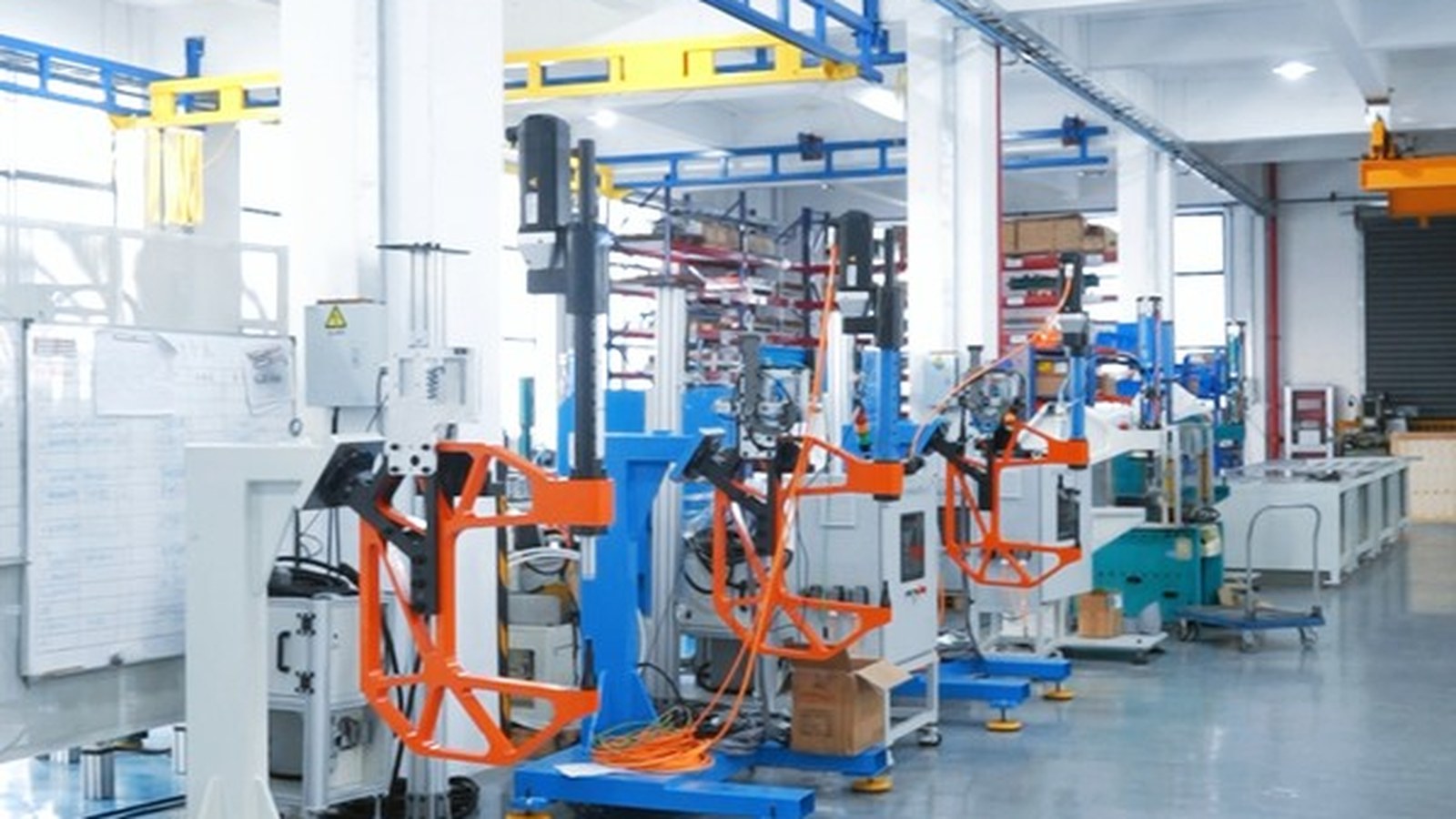
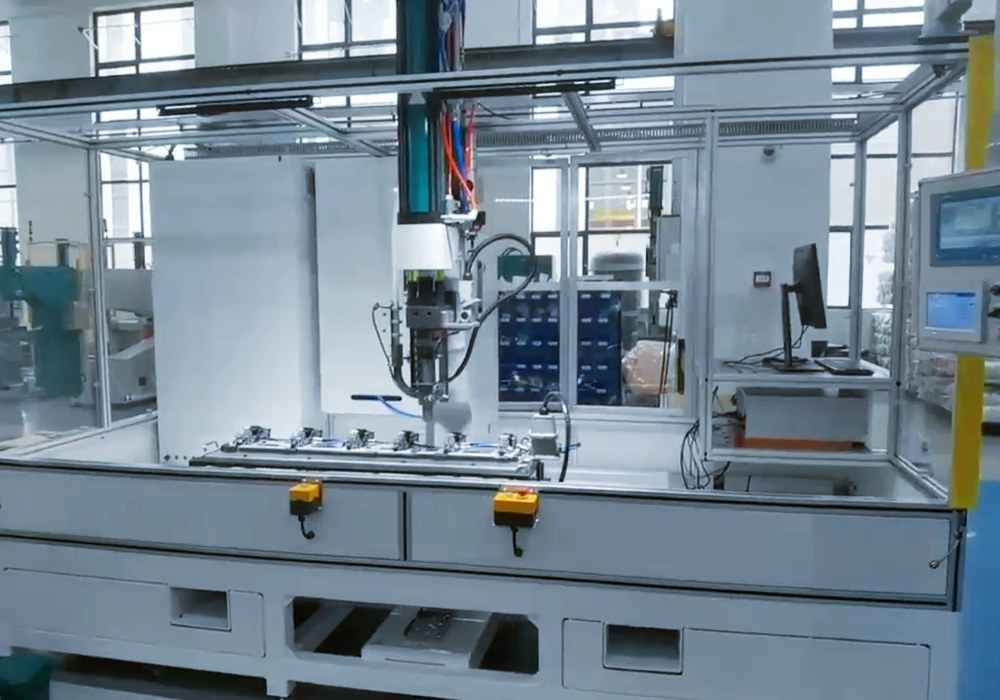
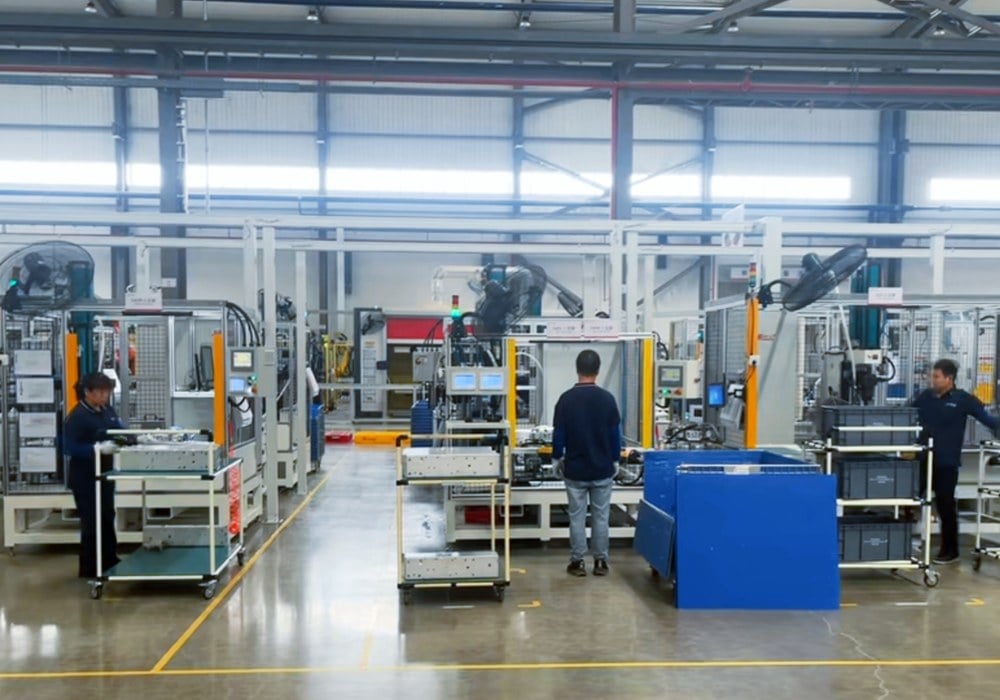
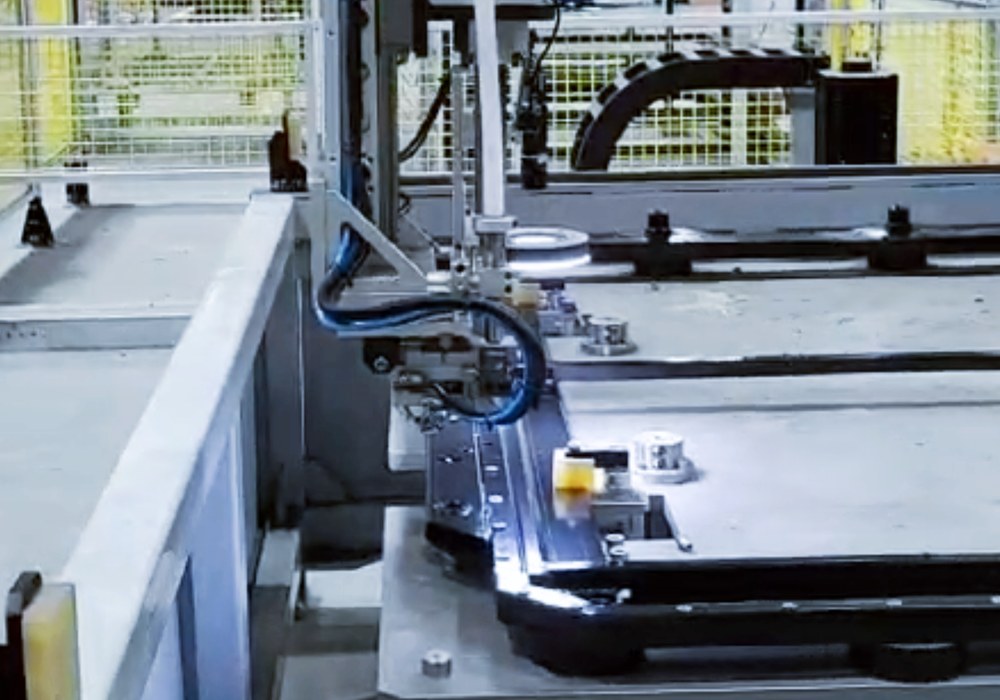
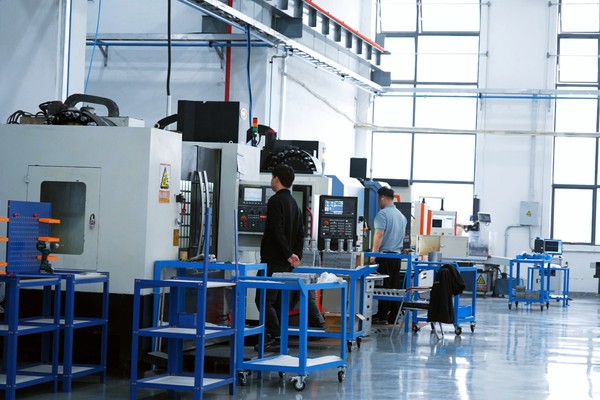
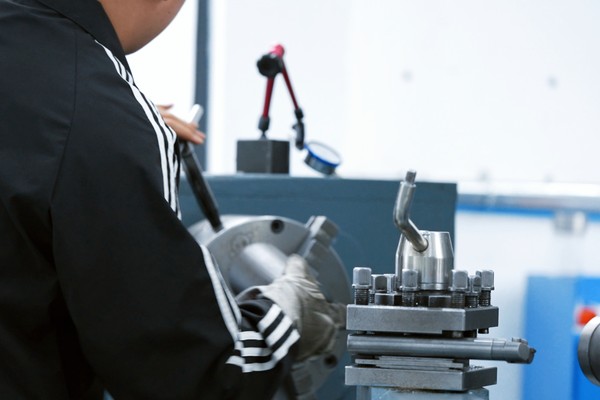
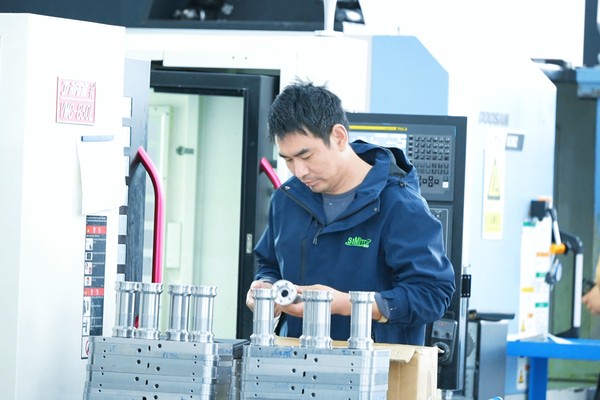
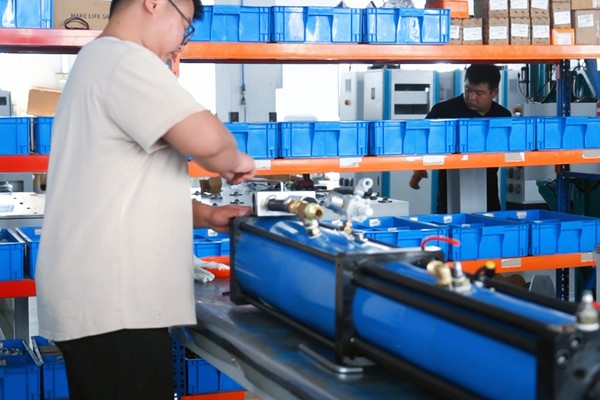
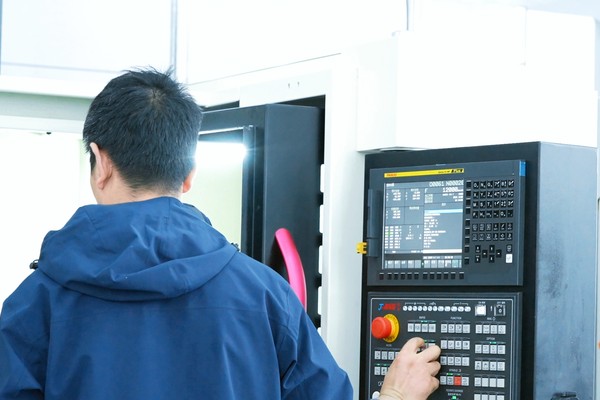
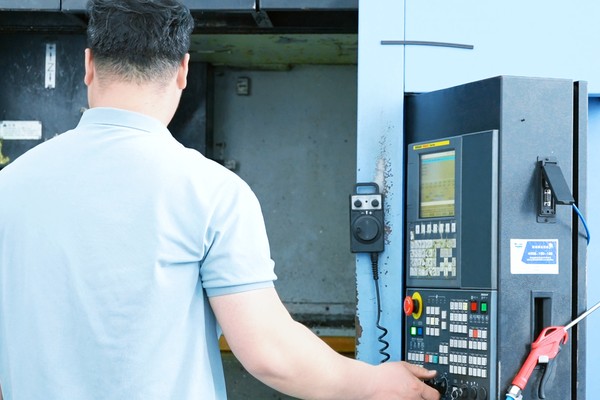
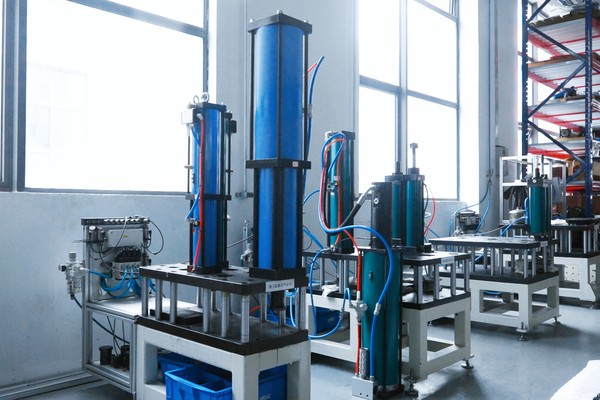
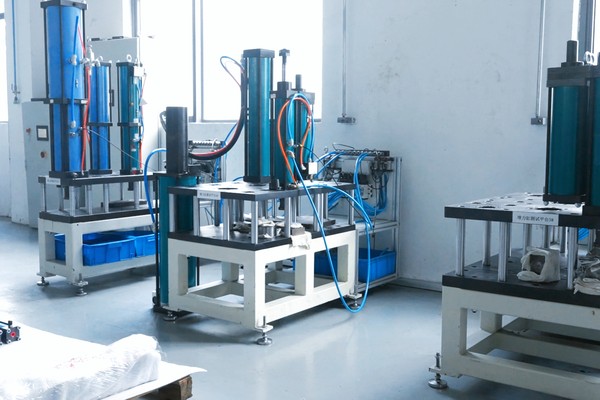
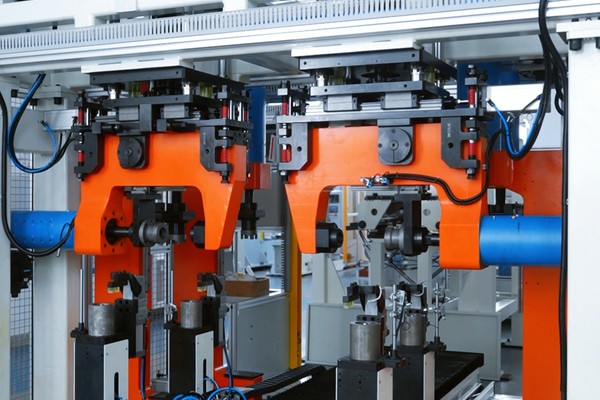
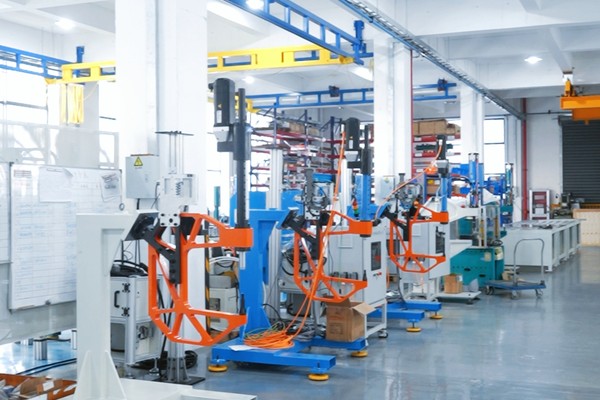
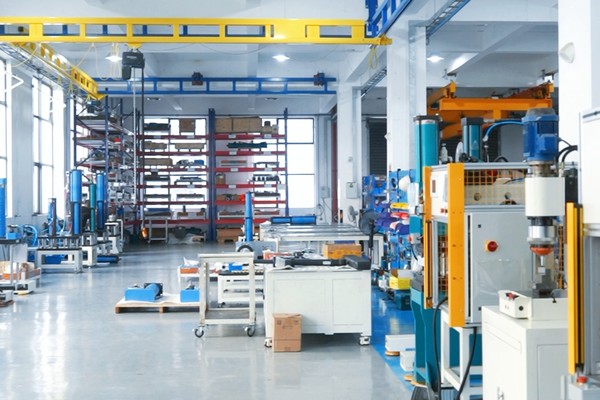
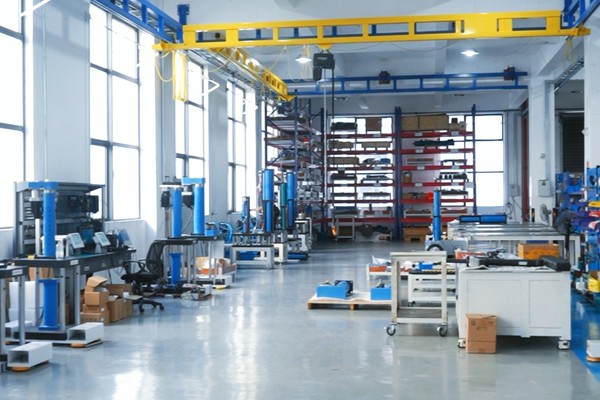
Explore our comprehensive sheet metal joining infrastructure. Scroll through our state-of-the-art facilities, R&D laboratories, and automated assembly lines.


SIMITCH Digital Engineering Tools
01
Joining Route Matrix Wizard
Answer five questions about the joint. The wizard returns the indicated process, the SIMITCH equipment family and the boundary conditions you still have to prove on your own stack.
Start Wizard
02
SIMITCH Force Envelope Finder
Enter the joining force your application needs. The finder shows which SIMITCH drive families publish a rating that covers it — each one bound to its own named architecture, never combined into a composite machine.
Find Envelopes
03
Clinchability Pre-Check
Screen a stack against the published clinching window before you ask anyone for a quote. Every threshold below comes from peer-reviewed or trade-published practice, not from a sales sheet.
Run Pre-Check
04
Quote Comparability Scorer
Two joining-equipment quotes are only comparable when both suppliers received the same package. Tick what you have already defined. The scorer tells you which gaps will make the quotes describe different things.
Score QuotesFAQ Buying Clinching and Riveting Equipment from SIMITCH
Yes. SIMITCH was established in 2006 as a manufacturer of sheet-metal connection machinery and reports in-house production of key equipment and core parts, having moved from introduced clinching technology to independent research and development.
From project scope, not from a list. Tooling, feeding, fixtures, controls, safety, data and acceptance scope have to align before two quotes describe the same thing. Send the input package above and you will get a quote that another supplier's quote can actually be compared against.
Clinching applies to ductile sheet, and the window is published rather than negotiable.
Geometry: individual sheets 0.1–3 mm; two-to-four-layer stacks 0.2–13 mm, best at 1–4 mm total; matched punch and die diameters 1.5–12 mm.[7]
Steel: below 800 N/mm² tensile strength and above 14% elongation at fracture. Trade practice often quotes 10% elongation instead, and we plan against the stricter number.[1]
Materials: mild steel, stainless steel, aluminum, copper and brass are all routine candidates, and an adhesive or fabric layer can sit between two sheets.
Outside that window the inquiry routes to self-piercing riveting, press riveting or a modified process rather than to a bigger press.
Yes, when the part cannot practically be moved to a press. Handheld work splits into two families: a pneumatic tool head on a suspended C-frame for clinching, and a bench or robot-mounted rivet gun for riveting. Feasibility still covers required force and reaction, tool access, suspension, operator exposure and the available pneumatic, hydraulic or electrical utility.
Punch-and-die sets, dies and spares are part of the equipment scope and should be priced in the same quote as the machine. Industry practice puts standard punch and die life above 250,000 joints, so tooling is a planned consumable line rather than an emergency purchase.[7]
Yes — but name the PLC handshakes, fixtures and safeguarding in the inquiry, because robot-ready is not the same as proven.
Round clinching keeps the sheet uncut and can be specified where sealing matters. Square clinching cuts the sheet, which affects fatigue behavior and does not deliver water-tightness.[1] Among the types of sheet metal joints available to a duct or enclosure builder, this is the trade-off that decides the die, so specify which one the part needs.